Materials & Fabrication
Common Light-Transmitting Decorative Materials for Interior Projects
Published
This article reviews common light-transmitting decorative materials used in interior projects, including translucent resin panels, acrylic, glass and other options, helping designers and project teams evaluate their suitability more clearly.
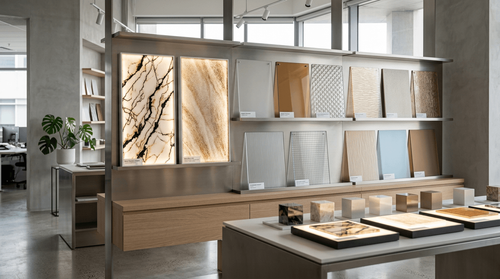
In interior design and decorative projects, light-transmitting materials are often used for walls, partitions, lighting structures and decorative surfaces. Different materials vary in light transmission, material character, fabrication compatibility and project suitability, so selection should consider not only visual effect but also construction, budget and execution methods.
I. Translucent Resin Panels
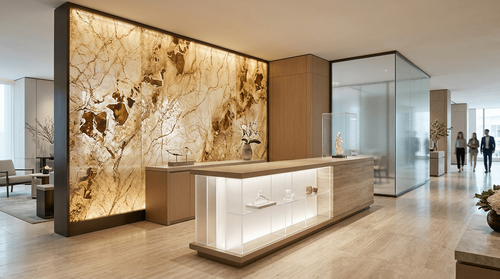
Translucent resin panels are suitable for projects that emphasise texture, layering and soft lighting effects. They are often used in hotels, clubs, display environments and custom decorative applications. Their ability to work with lighting and form-making makes them particularly valuable in spaces that require stronger material identity and atmosphere.
II. Acrylic
Acrylic is a common light-transmitting decorative material known for its clarity, light weight and modern visual character. It is suitable for more standardised and brighter project applications, and is often used for signage, light boxes, partitions and decorative panels in projects that require relatively fast execution and cost control.
III. Glass and Other Light-Transmitting Materials
Glass-based materials are more suitable for spaces that emphasise transparency, cleanliness and structural expression, and are widely used in commercial and modern interiors. However, they require more attention to safety, weight, installation and detailing. In addition, composite panels, membrane materials and custom decorative systems may also be considered depending on project needs.
IV. How to Evaluate Materials for a Project
In actual projects, material selection should not be based only on whether a material can transmit light. Design intent, spatial atmosphere, lighting method, fabrication conditions, installation details and budget rhythm should all be considered together. For projects requiring stronger decorative expression and atmospheric effect, translucent resin panels are often worth entering the sample comparison stage. For more standardised and minimalist applications, acrylic or glass may be more suitable.
Overall, different light-transmitting decorative materials are not simply interchangeable. They serve different project expressions and execution requirements. A more reliable approach is to evaluate materials together with samples, details and expected spatial effects as early as possible in the design development stage.